

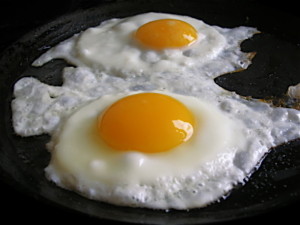
When you crack open an egg in the morning, you’re doing more than starting breakfast — you’re tapping into one of nature’s most efficient, nutrient‑dense source of high quality protein. At Gemperle Family Farms, we’ve been passionate about producing wholesome eggs for generations, and modern nutrition science keeps confirming what families have known for years: eggs are a smart, healthy choice for everyday eating.
Below is a science‑backed look at why eggs stand out as a high‑quality protein, and how they fit into a balanced lifestyle.
What Makes Egg Protein “High Quality Protein”?
Not all proteins are created equal. Nutrition experts use terms like “complete protein” and “high biological value” to describe how well a food’s protein supports your body’s needs.
Eggs excel here because:
- They contain all nine essential amino acids in the right proportions for human health, making them a gold standard for dietary protein.
- The body absorbs and uses egg protein very efficiently, which is why egg protein has historically been used as the reference against which other proteins are measured in research.
One large egg provides roughly 6–6.5 grams of high‑quality protein for about 70–80 calories.
The Whole Package: More Than Just Protein
Eggs are often described as nutrient‑dense — meaning they pack a lot of nutrition into relatively few calories.
According to data shared by organizations such as the Egg Nutrition Center and Iowa Egg Council, a large egg typically contains:
- Protein: about 6.3 g
- Total fat: about 4.8 g (primarily unsaturated fats)
- Carbohydrates: less than 1 g
- Key vitamins and minerals:
- Vitamin D – supports bone health and immune function
- B vitamins (B12, riboflavin, folate, B6, thiamin) – vital for energy metabolism and brain function
- Choline – crucial for brain and nervous system health, and especially important in pregnancy
- Vitamin A and E – antioxidants and vision support
- Iodine, selenium, phosphorus, iron, and zinc – support thyroid function, antioxidant defenses, blood health, and more
Scientists reviewing high‑quality evidence note that hen’s eggs provide choline, folate, vitamin D, iodine, B vitamins, and high‑quality protein, and are no longer broadly seen as a food to avoid in national dietary guidance.
Protein for Every Age and Stage
Because of their high quality protein and nutrient mix, eggs can support health across the lifespan:
- Children and teens: Protein from eggs helps build and maintain muscles, organs, skin, and hormones during rapid growth. The choline and B vitamins support learning and brain development.
- Adults with busy lives: A protein‑rich breakfast with eggs can boost satiety (fullness), help manage mid‑morning hunger, and support muscle maintenance, especially when combined with regular physical activity.
- Older adults: Adequate protein becomes increasingly important to help preserve muscle mass and strength. Eggs offer an easy‑to‑chew, easy‑to‑prepare source of high‑quality protein plus vitamin D and B12, which can be more difficult to obtain in later years.
Heart Health and Cholesterol: What Does the Science Say?
Eggs have long been discussed in the context of cholesterol, but our understanding has evolved:
- Many newer large reviews and dietary guidelines suggest that for most healthy people, eating eggs in moderation does not increase the risk of heart disease, and can fit within heart‑healthy eating patterns.
- Eggs can even help raise HDL (“good”) cholesterol, which is linked to better heart health.
However, because individual health situations vary (for example, people with diabetes or known heart disease), it is always wise to speak with a healthcare professional or registered dietitian for personalized recommendations.
Why Eggs Are So Popular in American Diets
Eggs are not only nutritious — they are also practical and accessible.
Industry data from the American Egg Board, the farmer‑funded organization that markets and supports egg research and education, show how important eggs are in the American food supply. In 2022, U.S. egg consumption reached about 276.6 eggs per person, reflecting the central role eggs play in meals and recipes throughout the year.
People turn to eggs because they are:
- Versatile: Scrambled, baked into casseroles, added to grain bowls, or hard‑cooked for on‑the‑go snacks.
- Budget‑friendly: A cost‑effective way to add high‑quality protein and essential nutrients to any meal.
- Quick to prepare: Ideal for busy families that want a balanced meal in minutes.
Whole Egg, White, or Yolk: What’s the Difference?
All parts of the egg have a role:
- Egg white: Primarily protein (around 3.6 g) and very low in calories and fat, making it useful when you want added protein without much fat.
- Egg yolk: Holds most of the vitamins, minerals, healthy fats, and nearly all the choline and vitamin D.
- Whole egg: Offers the best of both — high‑quality protein plus the full nutrient package. Research increasingly supports enjoying whole eggs as part of a healthy pattern for the general population.
For most people, including whole eggs (not just whites) is the best way to maximize nutritional benefits.
Simple Ways To Add More Egg Protein To Your Day
Because eggs are so adaptable, it is easy to weave high quality protein into everyday eating:
- Breakfast:
- Veggie omelet with whole‑grain toast
- Scrambled eggs with black beans and salsa in a warm tortilla
- Lunch:
- Spinach salad topped with sliced hard‑cooked eggs, nuts, and a light vinaigrette
- Egg salad made with Greek yogurt served on whole‑grain bread
- Snacks:
- A hard‑cooked egg with fresh fruit
- Sliced egg on whole‑grain crackers with avocado
- Dinner:
- Frittata loaded with seasonal vegetables
- Grain bowl topped with a soft‑cooked or poached egg for extra protein and flavor
These ideas show how a simple egg can transform a meal into a more filling, protein‑rich option.
The Gemperle Family Farms Commitment
Healthy eggs start with healthy hens and responsible farming. As a family farm, Gemperle Family Farms is committed to:
- Hen care and welfare: Proper housing, nutrition, and veterinary oversight.
- Food safety: Rigorous quality checks from the hen house to the carton.
- Sustainability: Ongoing efforts to steward our land and resources so future generations can enjoy wholesome, affordable eggs.
When you bring Gemperle eggs into your kitchen, you’re not just getting high quality protein — you’re supporting a local family that has dedicated decades to producing safe, nutritious eggs for your table.
Bringing It All Together
Eggs are:
- A complete, high quality protein source your body can use efficiently.
- Nutrient‑dense, providing vitamins, minerals, and choline along with protein.
- Versatile, affordable, and accessible, making healthy eating more achievable day‑to‑day.
Modern nutrition science, including work supported by the Egg Nutrition Center and broader independent research, continues to affirm that eggs can be a nutritious part of a balanced diet for most people.
From our family’s farms to your family’s table, eggs remain one of the simplest and most delicious ways to power your day with high‑quality protein.
Sources: Incredible Egg, National Library of Medicine, Iowa Egg, WebMD
